
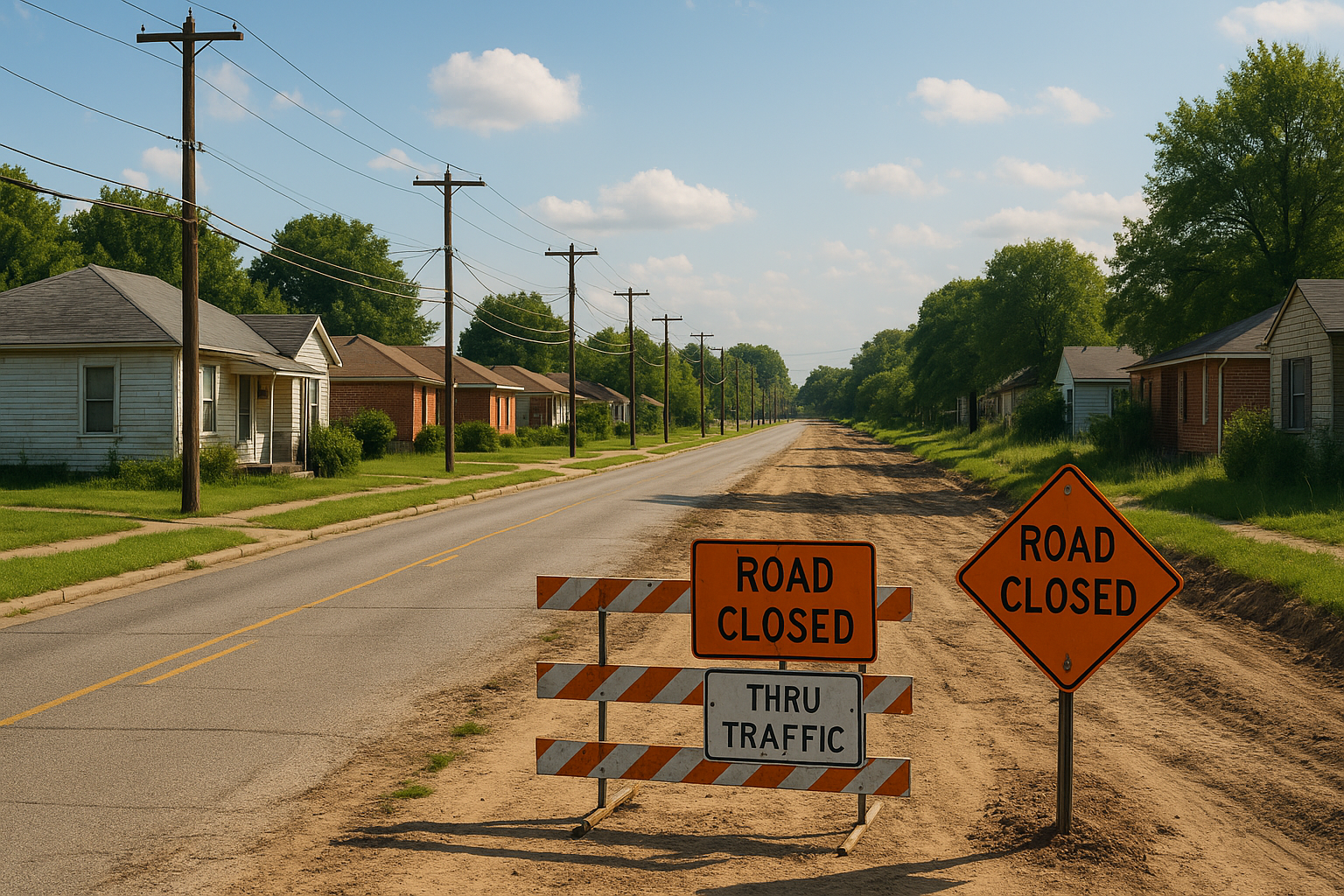
Sprawl might look cheap on the surface — but San Antonio is paying the price.
Every time we build a new road, a drainage pipe, or extend utilities into undeveloped land, we take on a long-term financial obligation. These aren’t one-time costs. They’re commitments that must be maintained, repaired, and replaced over decades. In many cases, the tax revenue generated by the surrounding development doesn’t even cover the cost of maintaining the infrastructure that serves it.
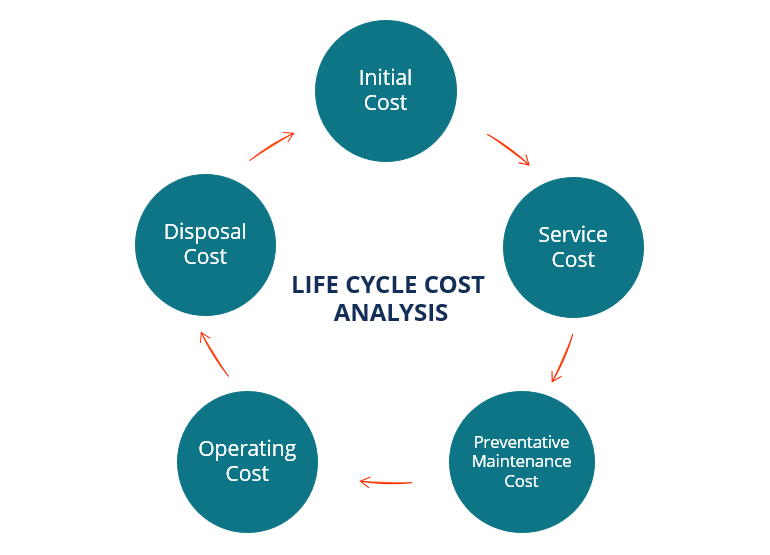
Life cycle cost analysis (LCCA) is an approach used to assess the total cost of owning a facility or running a project. LCCA considers all the costs associated with obtaining, owning, and disposing of an investment.
Urban3’s analysis highlights just how deep this funding gap runs. The city currently spends $348 million annually on road maintenance, but should be spending $421 million to keep up with the system’s lifecycle needs — a shortfall of $73 million every year. For stormwater infrastructure, the city spends $93 million annually, but Urban3 estimates we should be spending $142 million. That’s a $49 million gap. These aren’t abstract numbers — they represent deferred maintenance, worsening service, and greater future liabilities.
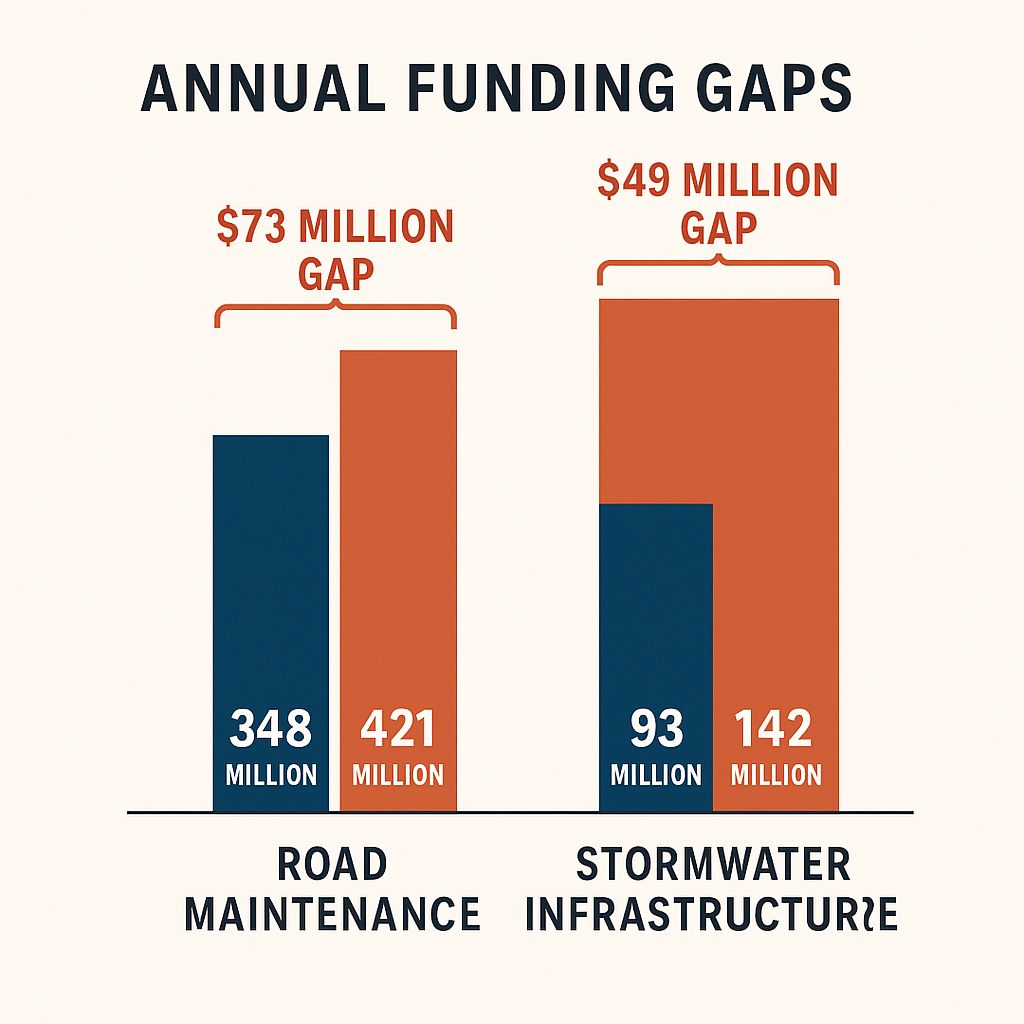
There is a $49 million dollar funding gap that needs to be addressed
The problem isn’t just the size of the city, it’s the shape. Lower-density development spreads infrastructure thinly over vast distances. The cost per household for maintaining roads and drainage in these areas is dramatically higher than in compact, walkable neighborhoods. Yet the tax revenue from these areas doesn’t scale with that cost — it falls short.
This leaves the city with tough choices: cut services, raise taxes, or shift toward development that makes more efficient use of infrastructure. The smarter path is clear. Encouraging more infill development, reducing parking requirements, and prioritizing growth in areas with existing infrastructure can help us close the gap.
If we keep expanding outward without changing course, we’ll dig the hole deeper. The sooner we align our land use with fiscal reality, the stronger San Antonio’s future will be.